
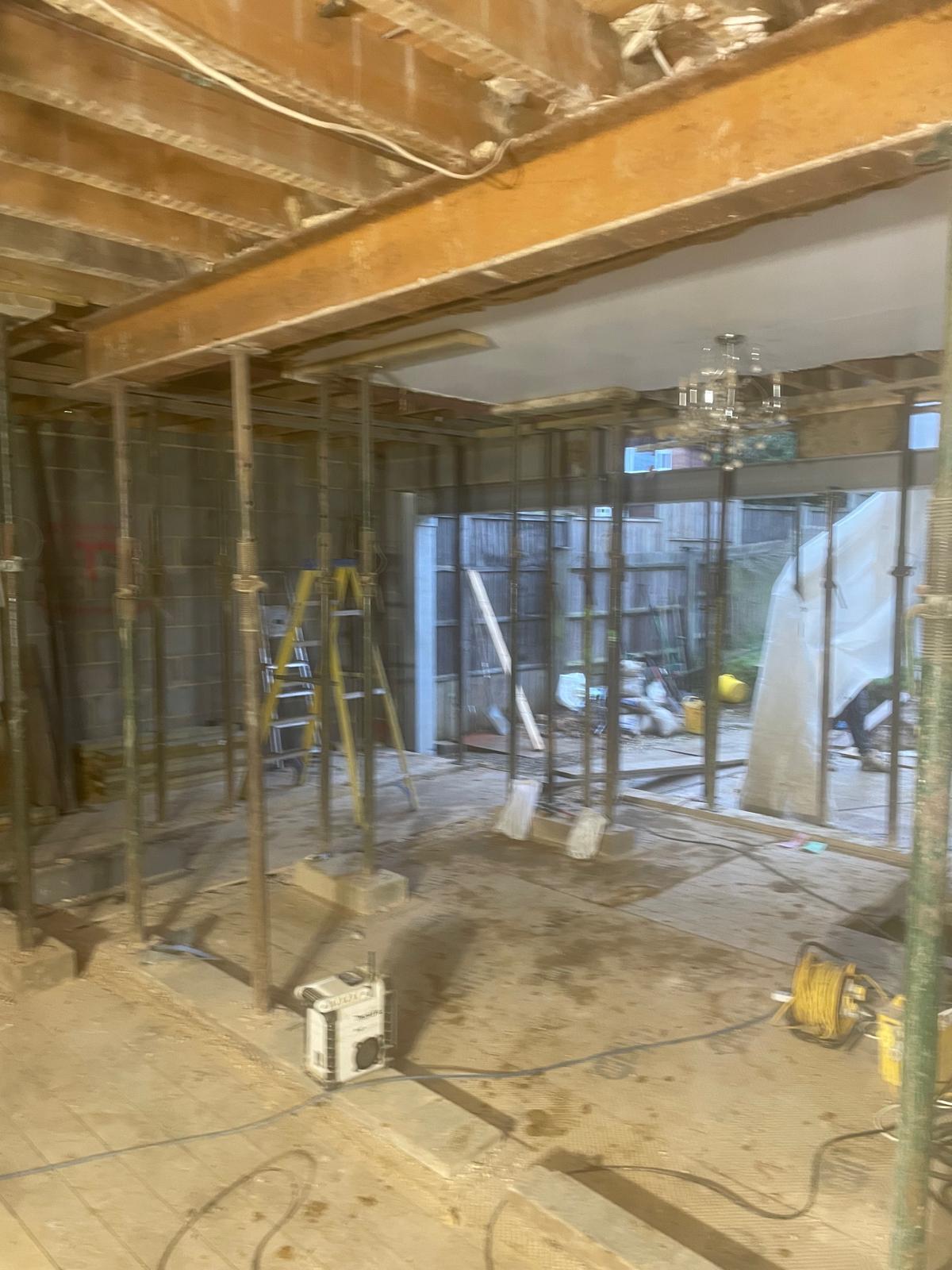
So, Do Extensions Require Building Regulations Approval?
When planning an extension, one of the first questions homeowners ask is “Do Extensions Require Building Regulations Approval?”. While planning permission often gets most of the attention, building regulations play an equally important role in ensuring your extension is safe, efficient, and built to a proper standard. We’ll explain when approval is required, what it covers, and why working with professional builders can make the process smoother.
Understanding Building Regulations
Building regulations are national standards set by the government to ensure that any new building or alteration meets essential safety, energy, and structural requirements. These rules cover aspects such as:
- Structural integrity
- Fire safety
- Insulation and ventilation
- Electrical safety
- Drainage and sanitation
Unlike planning permission, which focuses on how a building looks and fits within its surroundings, building regulations focus on how it functions. They apply to most construction projects, including extensions and major renovations.
When Approval Is Required
In most cases, you will need building regulations approval for your extension. This includes work that involves:
- Constructing new walls, roofs, or floors
- Altering structural supports such as beams or load-bearing walls
- Installing new plumbing, drainage, or electrical systems
- Making changes that affect fire safety or accessibility
There are some exceptions for smaller projects, but these are limited. For example, small conservatories or porches that meet specific size and thermal standards may be exempt. It’s always best to check before beginning work to avoid problems later.
The Difference Between Planning Permission and Building Regulations
Many homeowners confuse the two, but they serve different purposes. Planning permission ensures that the design and appearance of your extension are suitable for your property and local area. Building regulations ensure that the actual construction meets health and safety standards.
You may need one, both, or neither depending on the nature of the work. Even if your extension falls under permitted development and does not require planning permission, it almost certainly still needs building regulations approval.
How to Apply for Building Regulations Approval
There are two main ways to apply for approval:
- Full Plans Application:
This involves submitting detailed drawings and specifications for approval before work begins. It provides peace of mind, as the plans are checked in advance, and you’ll know that the design meets the required standards. - Building Notice:
This is a simpler process suitable for smaller projects. You can start work without submitting full plans, but building inspectors will carry out site visits as work progresses.
A qualified builder such as We R Builders can help you decide which option is best and handle the submission on your behalf.
What Inspectors Look For
Building control inspectors visit the site several times during construction to check that all work complies with regulations. They focus on:
- Foundations and ground stability
- Structural materials and load-bearing elements
- Damp proofing and insulation
- Fire escape routes and alarms
- Electrical and plumbing systems
- Roof structure and ventilation
At the end of the project, they issue a completion certificate confirming that the extension meets all legal requirements. This certificate is essential when selling or remortgaging your home, as buyers and lenders often ask for proof of compliance.
Consequences of Ignoring Building Regulations
Skipping building regulations approval can lead to serious problems. If inspectors discover unauthorised work, they can issue an enforcement notice requiring changes or even demolition. Non-compliant work can also:
- Reduce your property’s value
- Cause issues during future sales
- Void your home insurance
- Create safety risks for occupants
It’s far safer to ensure compliance from the start rather than facing costly corrections later.
How Professional Builders Help
Experienced builders make navigating building regulations much easier. They understand how to design and construct extensions that meet legal standards, saving you stress and time. A reliable builder will:
- Liaise with local building control officers
- Ensure materials and methods meet the latest standards
- Arrange inspections at the right stages
- Provide documentation and certificates upon completion
Working with a qualified company such as We R Builders ensures that your project meets both quality and safety requirements from start to finish.
Key Areas Covered by Building Regulations
When extending your home, building regulations will assess several key areas in detail:
Structural Stability
The extension must be strong enough to support its own weight and any loads placed upon it. This often involves foundations, steel beams, and wall ties.
Fire Safety
Adequate fire separation, escape routes, and smoke alarms must be included. For two-storey extensions, additional fire doors and escape windows may be necessary.
Energy Efficiency
Insulation levels must meet current energy performance standards to reduce heat loss. Builders use approved materials for walls, floors, and roofs to improve energy efficiency.
Ventilation and Drainage
Proper airflow prevents condensation and damp. New bathrooms or kitchens within the extension must also connect to suitable drainage systems.
Electrical and Plumbing Safety
All electrical and plumbing work must comply with specific safety standards and may require certification from registered professionals.
How Long the Process Takes
The timeline for approval depends on the complexity of the project and the type of application. A Full Plans Application may take up to five weeks for approval, while a Building Notice allows work to start sooner but requires ongoing inspections.
It’s worth allowing extra time for any revisions requested by inspectors, especially if structural elements or insulation levels need adjustment. Planning early helps prevent unnecessary delays.
Staying Compliant Throughout the Build
Even after receiving approval, compliance must be maintained throughout the project. Changes to design, materials, or layout should always be discussed with your builder and approved by building control before proceeding.
Keeping good communication with your builder and inspectors ensures your project remains on track and avoids unexpected setbacks.
Conclusion
So, do extensions require building regulations approval? In almost every case, the answer is yes. Building regulations protect both you and your property by ensuring your extension is safe, efficient, and durable. Ignoring them can lead to costly problems and legal complications.
By working with professionals like We R Builders, you can rest assured that your project complies with all standards and achieves the results you want. Whether you’re planning a small kitchen addition or a large multi-room extension, their team can manage the entire process. Contact us today to discuss your project and get expert guidance on building regulations for your next home improvement.