
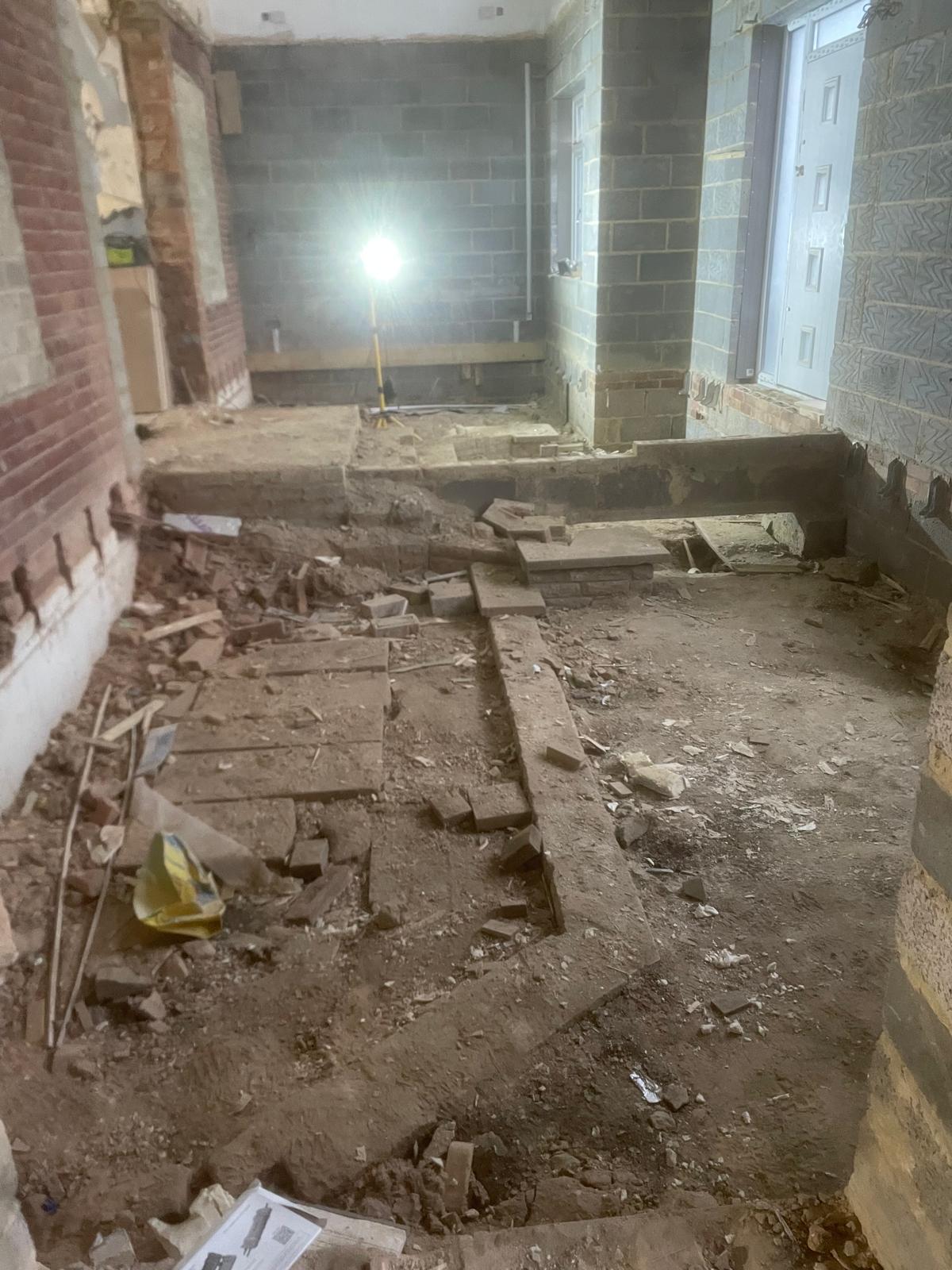
Some Mistakes to Avoid When Building an Extension
Building an extension is one of the most effective ways to create more space, improve how your home works, and increase long term value. However, an extension is also a project that requires careful planning. When certain steps are missed or rushed, the cost, timeline, and final result can all be affected. Many of the problems homeowners face come from avoidable mistakes made early in the process. I will explain the most common mistakes to avoid when building an extension and how taking a thoughtful approach can make your project run more smoothly.
What Should You Do Before Planning an Extension
A key mistake many homeowners make is not checking planning requirements before they begin designing. Some extensions need full planning permission, while others fall under permitted development rights. It is easy to assume your project falls under the permitted category, only to find later that the extension is too large or positioned in a way that still requires approval. This can lead to delays, redesigns, or in some cases, the removal of work already completed.
Working with a builder who understands the local planning guidelines can prevent these problems. Our planning service helps homeowners understand what is allowed for their type of property, prepare suitable drawings, and submit applications correctly. When planning is overlooked or rushed, the project is far more likely to face issues during construction.
Another early mistake is not preparing full structural details or professional drawings. Extensions need accurate measurements, structural calculations, and clear layout plans. When these details are missing, unexpected issues often appear once the build begins. Preparing everything in advance creates a smoother project from start to finish.
Mistakes in the Design Stage
Design decisions affect the comfort, flow, and practicality of an extension for many years. One common mistake is focusing only on appearance rather than usability. For example, homeowners sometimes choose large open plan layouts without thinking about how the space will be used daily. This can lead to awkward furniture placement, poor light distribution, or a layout that does not match the family’s routine.
Another design mistake is overlooking natural light. If an extension blocks existing windows or does not include enough glazing, the original rooms may become darker. A well planned design should improve the feel of the whole home, not only add a new room. Our extensions and conversions service helps create designs that focus on light flow, room connection, and day to day use.
A good extension feels like a natural part of the property. When the roofline, internal layout, or materials do not complement the existing home, the extension can look and feel out of place. Considering how new and old spaces connect makes a major difference to the final result.
Ignoring the Existing Structure and Services
An extension must work safely with the structure you already have. Many problems arise when people overlook foundations, drainage, heating, or electrical systems. For example, an existing heating system might not be strong enough to warm the new room, or the original drainage layout may not support new pipework. If these details are not planned early, the project may face delays or additional costs during construction.
Structural issues also need proper attention. Supporting walls, load paths, and roof adjustments must be calculated professionally. Our construction service looks at these elements as part of the full build process, helping to ensure the extension is safe and durable.
Setting an Unrealistic Budget
A common mistake is creating a budget that only covers the ideal scenario. Most construction projects involve hidden elements such as outdated wiring, unexpected pipework, or ground conditions that require extra support. Without a contingency fund, these surprises can put pressure on the entire project.
Another budgeting mistake is choosing the cheapest quote without checking what is included. Some quotes do not cover essential items such as insulation upgrades, steel beams, waste disposal, or flooring. This can lead to significant additional costs later.
Reading honest reviews on Trust a Trader helps you understand a builder’s transparency and reliability. A clear and detailed quote will help you avoid financial shocks further into the build.
Starting Without a Clear Programme
A clear programme sets out each stage of the build and the decisions required along the way. When work begins without a proper plan, delays become much more likely. Materials might not arrive on time, trades can overlap, and essential decisions get pushed back.
Good communication helps keep everything moving. You can look at recent projects completed by We R Builders to see how consistent scheduling and progress updates support homeowners through the construction process.
Without a programme, small delays can quickly accumulate. A builder who provides clear timelines and regular updates can prevent this and help you plan around the work more easily.
Forgetting How the Extension Connects to the Rest of the Home
Some homeowners design the new room without considering how it links to their existing layout. This can create awkward transitions or uneven flow between spaces. For example, a kitchen extension might look impressive on its own but feel disconnected if the access route is narrow or poorly positioned.
Floor levels and lighting changes also need attention. When these are overlooked, the finished home can feel uneven and disjointed. Our renovations service often works alongside extensions to create a balanced layout.
Thinking about the whole home rather than just the new area helps produce a result that feels comfortable and practical.
Trying to Manage the Build Alone
Managing an extension requires coordinating trades, checking quality, supervising deliveries, and resolving issues. Some homeowners try to manage everything themselves to save money, but this can lead to mistakes that cost far more to fix later.
Using a builder that manages the project from start to finish gives you one clear point of contact. Our new builds service uses a structured approach, and we apply that same organisation to extension projects. This helps avoid miscommunication and reduces the stress on the homeowner.
Not Thinking About Aftercare
A well built extension still needs aftercare. Small adjustments sometimes appear after a few weeks of use, such as door alignment changes or minor settling. A good builder provides support beyond completion.
Our aftercare service ensures homeowners have someone to contact if they need guidance or small fixes after the project is finished.
Putting It All Together
Avoiding common mistakes when building an extension comes down to early planning, a realistic budget, thoughtful design, and choosing the right builder. Look at how the new space will be used, how it connects with your existing rooms, and whether your plans meet the required regulations. When these steps are handled carefully, your extension becomes a smoother and more enjoyable project from start to finish.
If you are planning an extension and want clear advice or a tailored quote, you can contact us here and speak with our team.