
So, How to Plan a Kitchen Extension in the UK
To Plan a Kitchen Extension in the UK properly, you need a clear understanding of space, budget, and regulations from the very beginning. Many homeowners decide to plan a kitchen extension in the UK to create a larger cooking area, improve layout, and make the kitchen a more social part of the home. Because a kitchen extension affects both structure and daily living, careful planning is essential to avoid delays, unexpected costs, and design issues. I explain how to plan a kitchen extension in the UK step by step, what to consider at each stage, and how to prepare for a smooth build.
Understanding Why You Want a Kitchen Extension
Before you plan a kitchen extension in the UK, it is important to be clear about your reasons. Some households need more space for family life, while others want better access to the garden or a layout that works for entertaining. Understanding how you use your kitchen now and how you want to use it in the future helps shape every decision that follows.
When you plan a kitchen extension in the UK, think about storage, seating, lighting, and how the kitchen connects with other rooms. A clear brief makes the design process more focused and reduces the risk of changes later.
Checking Planning Rules and Permissions
One of the most important steps when you plan a kitchen extension in the UK is understanding what approvals are required. Some kitchen extensions need full planning permission, while others fall under permitted development rights. This depends on factors such as the size of the extension, its position, and whether your home has been extended before.
Assuming approval is not needed can lead to delays or redesigns. Our planning service supports homeowners by checking requirements early, preparing drawings, and handling applications where needed. This helps ensure the kitchen extension can move forward without unnecessary setbacks.
Choosing the Right Type of Kitchen Extension
When you plan a kitchen extension in the UK, choosing the right type of extension is key. Rear extensions are the most common option and work well for creating open plan kitchen dining spaces. Side extensions are useful where there is unused space next to the property, often helping widen narrow kitchens. Wraparound extensions combine side and rear space to create a larger footprint.
Each option has different implications for layout, light, and cost. Our extensions and conversions service helps homeowners choose an option that suits their property and lifestyle while remaining practical and achievable.
Designing the Layout of the Kitchen
Layout design is central when you plan a kitchen extension in the UK. A well designed kitchen balances cooking, storage, seating, and movement. Positioning of appliances, worktops, and islands should support how the space will be used daily.
Natural light plays a big role in kitchen design. Roof lights, large doors, and well placed windows can transform the space and improve comfort. It is also important to think about ventilation, especially where cooking and dining areas are combined.
Structural Planning and Build Considerations
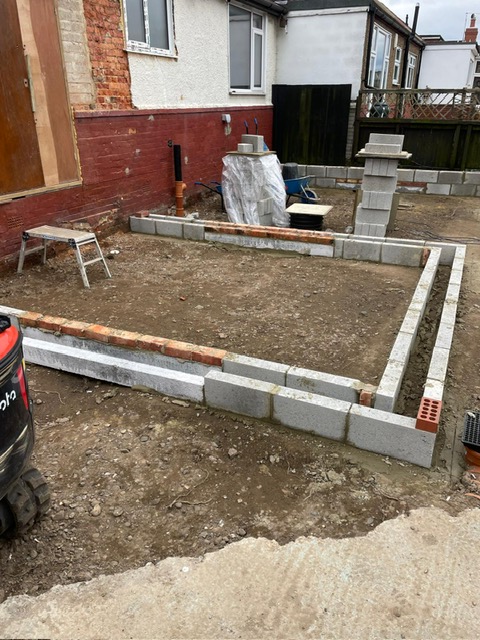
Kitchen extensions involve structural changes that must be planned carefully. Foundations, supporting walls, drainage, and roof structures all need professional assessment. Older properties may require additional reinforcement to support the new structure.
Our construction team reviews these details early, ensuring the design is safe and suitable before work begins. Proper structural planning helps avoid delays and unexpected costs once construction is underway.
Setting a Realistic Budget
Budgeting is a major part of planning. When you plan a kitchen extension in the UK, costs include structural work, electrics, plumbing, insulation, glazing, and finishes. Kitchens themselves can vary widely in cost depending on units, worktops, and appliances.
It is sensible to include a contingency fund for unexpected issues such as outdated services or ground conditions. Choosing a builder based on experience rather than price alone often leads to better outcomes. Reading genuine reviews on Trust a Trader helps homeowners understand how builders manage costs and communication.
Planning the Build Schedule
A clear schedule helps reduce disruption during a kitchen extension. Many families remain living in the property while work is carried out, so timing matters. Phasing the work correctly helps keep essential areas accessible for as long as possible.
Looking at completed projects by We R Builders shows how structured planning and regular updates help kitchen extensions progress smoothly from start to finish.
Managing Services and Utilities
When you plan a kitchen extension in the UK, services need careful consideration. Plumbing for sinks and appliances, electrics for lighting and power, and heating systems must be planned early. Changes made late in the process can increase costs and delay completion.
Ventilation is particularly important in kitchen spaces. Extractor systems should be designed to suit the size and layout of the extension, ensuring good air quality.
Integrating the Extension with the Existing Home
A kitchen extension should feel like part of the original house. Flooring, ceiling heights, and access points all affect how the new space connects to existing rooms. Poor integration can make the extension feel separate rather than seamless.
Our renovations service is often combined with kitchen extensions to improve flow between old and new areas. Small layout changes elsewhere in the home can significantly improve the final result.
Managing the Project Properly
Some homeowners try to manage a kitchen extension themselves to save money. However, coordinating trades, deliveries, inspections, and schedules without experience can lead to delays and added costs.
Working with a builder who manages the entire process helps reduce stress. Our structured approach, also used in our new builds work, ensures kitchen extensions are delivered efficiently and safely.
Aftercare Once the Kitchen Extension Is Complete
After completion, small adjustments may be needed as the building settles and the kitchen is used daily. Reliable aftercare ensures these issues are handled quickly and professionally.
Our aftercare service gives homeowners reassurance that support is available after the project is finished.
Bringing Everything Together
To plan a kitchen extension in the UK successfully, you need clear goals, realistic budgeting, and professional guidance at every stage. From understanding planning rules to designing layout and managing construction, each step plays a role in the final outcome. With careful preparation and experienced support, a kitchen extension can transform how your home works and feels.
If you are ready to plan a kitchen extension in the UK and want clear advice from the start, you can contact us here to discuss your project with our team. We are here to help you plan confidently and create a kitchen space that suits your home and lifestyle.