
So, What to Consider Before Starting a Loft Conversion
A Loft Conversion can be one of the most effective ways to add space to your home without extending outward. Many homeowners choose a Loft Conversion to create an extra bedroom, office, or bathroom, especially when moving house is not practical. However, not every property is suitable, and there are several key factors to think about before starting a Loft Conversion. I’ll walk through what actually matters based on real projects, not just theory.
Is Your Loft Suitable for Conversion
Before anything else, the first thing to assess is whether your loft can realistically be converted. Not all lofts are suitable, and this is where many homeowners make assumptions that lead to issues later.
In practice, what we often see is homeowners planning a Loft Conversion without checking head height. As a general rule, you want at least 2.2 metres from floor to ridge. Anything lower usually means more structural work, which increases cost significantly.
Roof type also matters. Traditional cut roofs are usually easier to convert, while trussed roofs often require more structural changes. A proper assessment early on will save time and avoid unrealistic expectations.
Understanding Planning and Legal Requirements
A Loft Conversion does not always require full approval, but it depends on the design. Many projects fall under permitted development rights, especially if the external changes are limited.
However, larger dormers or changes to the roof shape may require planning permission.
This is where mistakes often happen. A common issue is starting design work without confirming what is allowed. Our planning service helps homeowners avoid this by checking everything upfront and ensuring plans meet local requirements.
Budgeting Realistically for a Loft Conversion
Budget is one of the biggest deciding factors. A Loft Conversion is not just about adding a room, it involves structural work, insulation, electrics, plumbing, and finishing.
In real terms, what we often see is homeowners underestimating the cost because they only think about the visible elements. The structural work, especially steel installation and floor reinforcement, is where a lot of the cost sits.
It is always worth allowing a contingency. Older properties in particular can reveal unexpected issues once work begins.
Access and Staircase Design
One of the most overlooked parts of a Loft Conversion is access. You need a staircase that meets building regulations, and it has to fit within the existing layout.
In practice, this is where compromises often happen. We regularly see designs that look good on paper but do not work when it comes to stair placement. Losing space from an existing bedroom or landing is often necessary.
Planning this early ensures the Loft Conversion is practical, not just technically possible.
Structural Work and Construction Requirements
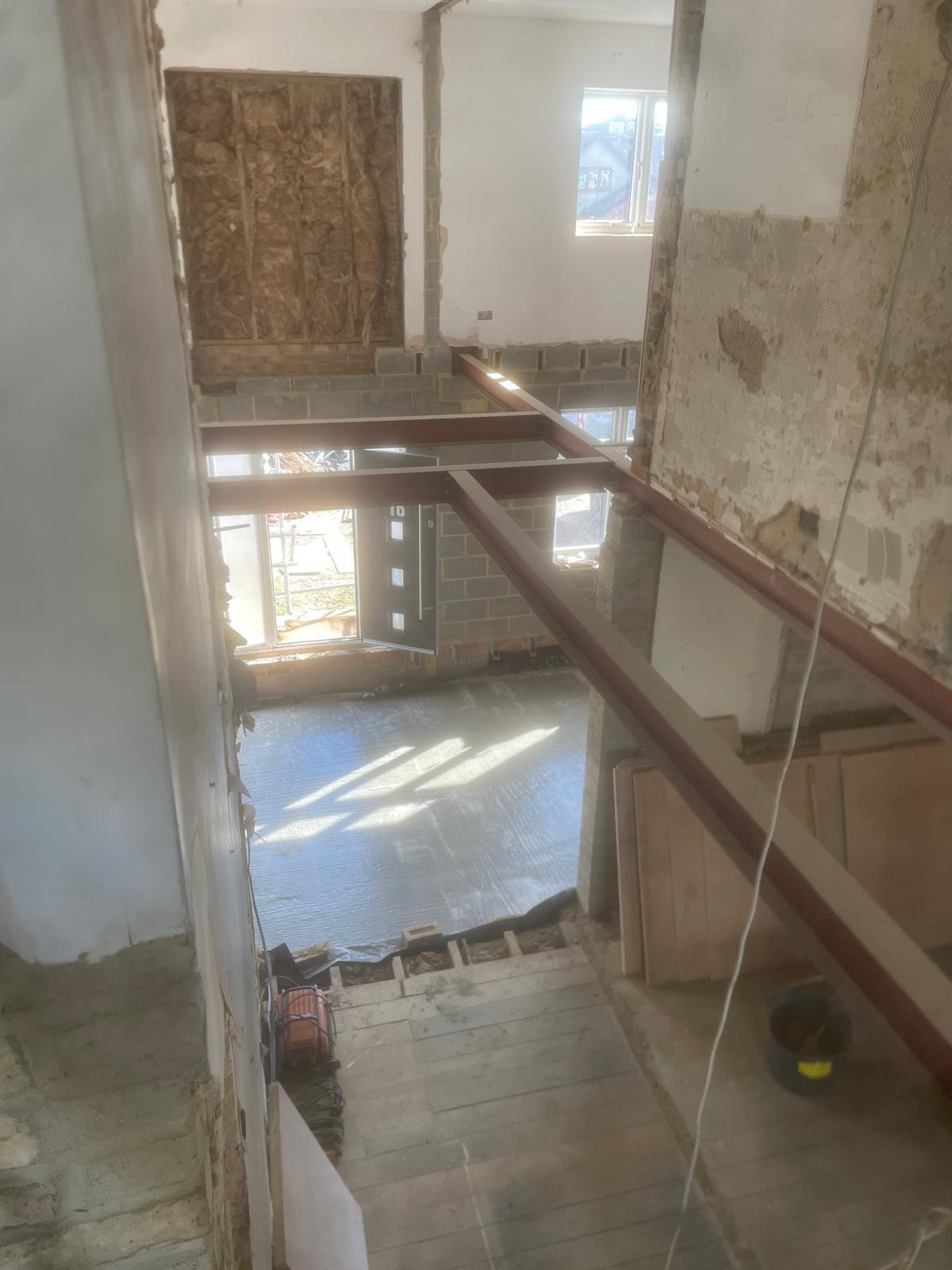
A Loft Conversion involves more structural work than many people expect. This includes reinforcing the existing floor, installing steel beams, and sometimes altering the roof structure.
Our construction team handles these structural elements to ensure everything is safe and compliant with building regulations.
What actually tends to happen on site is that once the structure is opened up, adjustments are often needed. This is why working with experienced builders is important, as unexpected changes need to be handled properly.
Insulation and Energy Efficiency
Modern building regulations require a Loft Conversion to meet strict insulation standards. This affects both walls and roof sections.
A well insulated loft not only meets regulations but also makes the space comfortable year round. Poor insulation is something we still see in older conversions, and it often leads to overheating in summer and cold rooms in winter.
Getting this right from the start avoids problems later.
How the Conversion Affects the Rest of the House
A Loft Conversion is not an isolated project. It often impacts the rest of the property, especially during construction.
There will be disruption, particularly when the new staircase is installed and ceilings are opened. Some homeowners expect the work to be fully contained in the loft, but in reality, it affects multiple areas.
Our renovations service is often used alongside loft conversions to improve layout and ensure the whole property works better once the project is complete.
Combining Loft Conversions With Other Work
In many cases, a Loft Conversion is part of a wider upgrade. Some homeowners choose to combine it with extensions or internal changes to maximise the benefit.
Our extensions and conversions service allows projects to be planned together, which often leads to better results than treating each element separately.
Choosing the Right Builder
The quality of your Loft Conversion depends heavily on who carries out the work. Experience matters, especially when dealing with structural changes.
Reading reviews on Trust a Trader can give a clearer idea of how builders manage projects, communicate, and handle challenges.
You can also view completed projects by We R Builders to see how real loft conversions are delivered from start to finish.
Aftercare and Long Term Performance
Even after completion, a Loft Conversion may need minor adjustments as the structure settles. Small issues like cracks or adjustments to fittings are normal in building projects.
Our aftercare service ensures these are dealt with quickly, giving homeowners confidence in the long term result.
Conclusion
A Loft Conversion is a practical way to add space, but it requires careful planning, realistic budgeting, and the right team to deliver it properly. The key is understanding the structure of your home, planning permissions, and how the new space will integrate with the rest of the property.
If you need help with a Loft Conversion in Kent, the team at We R Builders can guide you through the process from start to finish. You can also contact us here if you need help with a loft conversion in Kent and want clear, practical advice before getting started.