
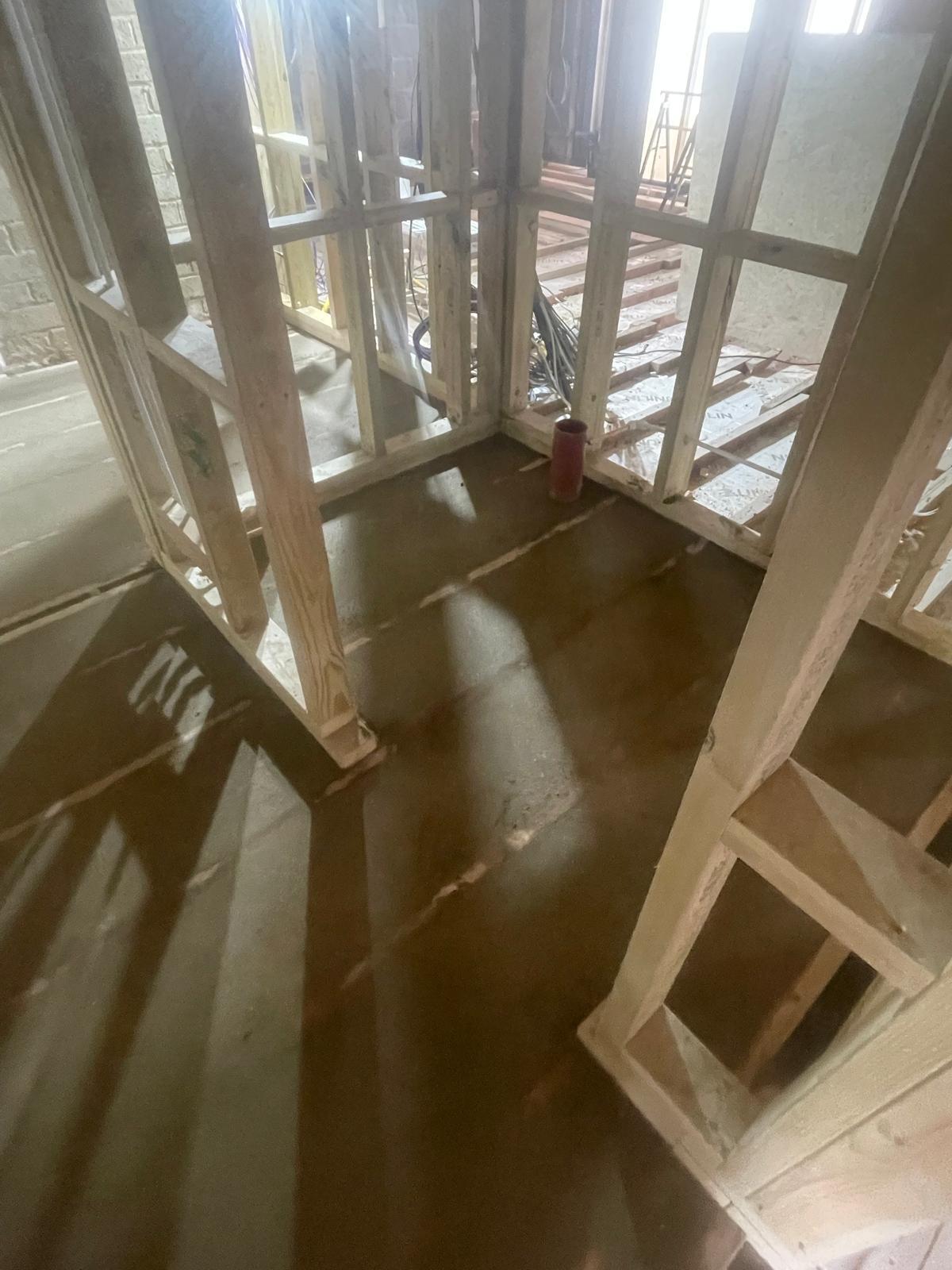
Some Advice for Choosing the Right Materials for Your House Extension
Choosing the Right Materials for Your House Extension has a major impact on cost, durability, appearance, and long term performance. Many homeowners focus heavily on layout and design, but from working with clients across Kent, we’ve found that material selection often has the biggest effect on whether an extension performs well over time or becomes expensive to maintain. The right choices can improve insulation, reduce upkeep, and help the extension feel like a natural part of the original home. Poor choices can lead to delays, overspending, or visible mismatches.
Why Material Choice Matters More Than Most Homeowners Expect
The Right Materials for Your House Extension affect more than appearance. They influence:
- Structural performance
- Energy efficiency
- Maintenance requirements
- Planning approval
- Build cost
- Property value
In our experience, choosing durable, locally appropriate materials works better than simply selecting the cheapest alternative because lower cost options often create higher maintenance costs and visual inconsistencies over time.
A common mistake is prioritising internal finishes while underestimating the importance of brick matching, roofing materials, insulation quality, or glazing specification.
Matching the Existing Property
For many extensions, one of the most important considerations is how well the new structure integrates with the existing home. This is particularly relevant in Kent, where many properties have distinctive brickwork, rooflines, or architectural details.
We’ve found that matching external materials closely usually delivers stronger long term value than deliberately contrasting finishes unless the design is architecturally led from the outset.
This includes:
- Brick type and colour
- Mortar tone
- Roof tiles or slates
- Window frame style
- Fascias and guttering
Our planning service often helps homeowners navigate these choices early, particularly where planning officers expect visual consistency.
Brick, Block, or Timber Frame
When choosing the Right Materials for Your House Extension, structural system selection is one of the earliest decisions.
Traditional Brick and Block
This remains one of the most common methods in the UK because it offers:
- Strong durability
- Familiarity with local builders
- Better visual continuity
- Good resale appeal
Timber Frame
Timber frame can speed up construction and improve thermal efficiency, but in our experience, brick and block often works better than timber frame for Kent homeowners because it integrates more naturally with existing housing stock and is generally viewed more favourably in resale situations.
Our construction team has completed over 200 residential projects across Kent, and we’ve found material compatibility with the original structure often prevents long term issues.
Roofing Materials and Structural Compatibility
Roofing materials are another critical factor. Extensions should not only look right but also perform correctly in the UK climate.
Common options include:
- Concrete roof tiles
- Clay tiles
- Slate
- Flat roofing membranes
From working with clients, we’ve found that selecting roofing based on structural compatibility and weather performance works better than choosing solely on appearance, particularly where drainage and long term maintenance are concerned.
Flat roof systems can work well on modern designs, but poorly specified systems are one of the most common causes of future remedial work.
Windows, Doors, and Glazing Performance
Glazing choices significantly affect both aesthetics and efficiency. The Right Materials for Your House Extension should include high performing windows and doors that balance:
- Thermal efficiency
- Security
- Light levels
- Maintenance
Popular options include:
- uPVC
- Aluminium
- Timber
In our experience, aluminium often works better than cheaper uPVC alternatives for larger extensions because it provides slimmer sightlines, stronger durability, and a more premium finish.
Large glazed doors remain popular, but from working on family homes, careful orientation matters just as much as size. Oversized glazing without solar control can create overheating issues.
Insulation and Hidden Performance Materials
Some of the most important materials are not visible once the build is complete. Insulation, membranes, and structural reinforcements all affect long term performance.
A common homeowner mistake is underestimating insulation quality in favour of cosmetic upgrades. In practice, better insulation often delivers more day to day value than premium finishes.
Our renovations team regularly upgrades:
- Floor insulation
- Wall cavity insulation
- Roof insulation
- Vapour barriers
These decisions directly affect energy bills and comfort.
Planning Permission and Material Restrictions
Certain areas or property types may have material restrictions, especially in conservation zones or where planning approval is required.
Larger projects may need planning permission, while some may fall under permitted development rights.
Choosing inappropriate materials can delay approval, which is why our extensions and conversions service often includes early material planning as part of the wider design process.
Budget vs Long Term Value
Budget matters, but material decisions should not focus purely on upfront cost.
We’ve found that investing slightly more in core materials often reduces:
- Maintenance
- Repairs
- Energy bills
- Future upgrades
In our experience, spending strategically on structure, insulation, and glazing works better than overspending on purely decorative features because these choices affect the property every day.
Project Management and Supplier Reliability
Choosing the Right Materials for Your House Extension also depends on sourcing. Delays often happen not because materials are wrong, but because supply chains are unreliable.
Through our experience delivering projects across Kent, we prioritise proven suppliers and consistent product quality to reduce delays and maintain standards.
Homeowners can also review independent feedback on Trust a Trader to understand how contractors manage quality and communication.
You can also view completed extension projects by We R Builders for real examples of materials used successfully across Kent homes.
Aftercare and Long Term Performance
Material quality also affects aftercare requirements. Better specified builds generally require fewer corrections post completion.
Our aftercare service supports homeowners once work is complete, but we’ve found that careful material planning from the beginning significantly reduces post build issues.
Conclusion
Choosing the Right Materials for Your House Extension is one of the most important decisions in the entire project. The best results come from balancing durability, performance, planning compliance, and design compatibility rather than focusing only on cost or appearance.
If you need help choosing the right materials for your house extension in Kent, the team at We R Builders can provide practical, experience led guidance based on real projects. You can also contact us here if you need help with house extension planning in Kent and want tailored expert advice.