
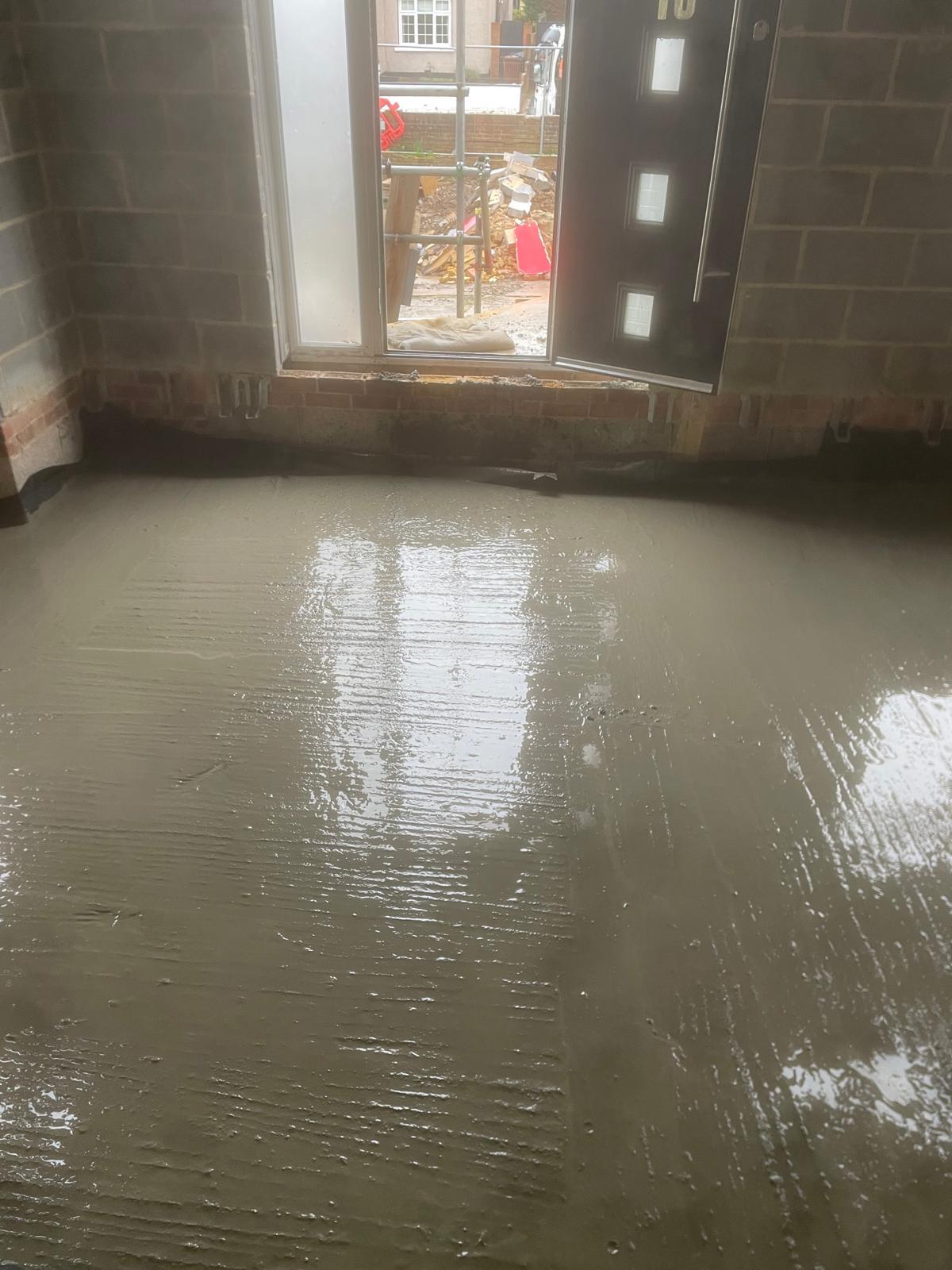
A Simple Guide to Single Storey House Extensions
A Single Storey House Extensions project is one of the most popular ways homeowners improve space, layout, and everyday comfort without moving home. Many people choose House Extensions to create larger kitchens, open plan living areas, or better links to the garden while keeping disruption manageable. When planned properly, Single Storey House Extensions can transform how a home works, but success depends on understanding planning rules, design choices, costs, and construction stages. This guide explains what to expect and how to plan effectively.
Why Single Storey House Extensions Are So Popular
Single Storey House Extensions appeal to homeowners because they are flexible and suit many property types. They work well for detached, semi detached, and terraced homes, especially where ground floor space feels limited. Unlike multi storey builds, they usually involve less structural complexity and can often be completed more quickly.
Many families choose Single Storey House Extensions to improve kitchen and dining space, add family rooms, or create better flow between indoor and outdoor areas. With the right design, a single storey extension can make the entire home feel larger and brighter.
Understanding Planning Rules for Single Storey Extensions
Before work begins, it is essential to understand whether approvals are required. Some Single Storey House Extensions need full planning permission, while others may fall under permitted development rights. This depends on factors such as depth, height, boundary position, and whether the property has been extended before.
Assuming permission is not required can cause delays or enforcement issues later. Our planning service helps homeowners check requirements early, prepare drawings, and submit applications where needed. Addressing planning at the start helps Single Storey House Extensions progress smoothly.
Choosing the Right Type of Single Storey Extension
Single Storey House Extensions come in several forms, each suited to different homes and needs. Rear extensions are the most common and are often used to create open plan kitchens or living spaces. Side return extensions work well on terraced and semi detached properties, making use of narrow external areas. Wraparound extensions combine rear and side space to maximise floor area.
Choosing the right option depends on property layout, garden size, and budget. Our extensions and conversions service supports homeowners in selecting a design that suits both the property and how the space will be used long term.
Designing the Layout and Flow
Good design is central to successful Single Storey House Extensions. The goal is not just to add space, but to improve how rooms connect and function. Layout decisions should consider access, furniture placement, and how people move through the home.
Natural light plays a major role. Roof lights, large windows, and sliding or bifold doors can make House Extensions feel bright and open. Ceiling height is another important factor, as small changes can greatly affect how spacious the extension feels.
Structural Planning and Construction Considerations
Although single storey projects are often simpler than multi storey builds, structural planning is still essential. Foundations, supporting walls, drainage, and roof structures must be assessed carefully. Older homes may require additional reinforcement to support the new build.
Our construction team reviews these elements early, ensuring the extension meets safety standards and building regulations. Proper structural planning reduces the risk of unexpected delays or costs during construction.
Managing Services and Utilities
Single Storey House Extensions often involve relocating or extending services such as plumbing, electrics, and heating. Kitchens, bathrooms, and utility rooms require careful planning of pipework and power supply.
Ventilation is particularly important in kitchen and living areas. Extractor systems and airflow should be designed alongside layout decisions. Planning services early prevents costly changes later in the project.
Setting a Realistic Budget for Single Storey Extensions
Budgeting is one of the most important parts of planning Single Storey House Extensions. Costs include groundworks, structure, insulation, electrics, plumbing, glazing, and finishes. Material choices and design complexity can significantly affect the final figure.
It is sensible to include a contingency fund, especially for older properties where hidden issues may arise. Choosing a builder based on experience rather than price alone often leads to better outcomes. Reading genuine reviews on Trust a Trader helps homeowners understand how contractors manage costs, quality, and communication.
Planning the Build Schedule
A clear build schedule helps keep Single Storey House Extensions organised and reduces disruption. Many homeowners remain living in the property while work is carried out, so timing matters. Phased construction can help keep key areas accessible for as long as possible.
Looking at completed projects by We R Builders shows how structured planning and regular updates support smooth delivery from start to finish.
Considering Neighbours and Boundaries
Single Storey House Extensions can affect neighbours, particularly where boundaries are close. Issues such as access, noise, and changes to light or outlook should be considered early. Informing neighbours in advance often helps avoid disputes.
Planning rules are designed to balance development with neighbour impact. A considerate approach benefits everyone and helps the project progress without conflict.
Integrating the Extension with the Existing Home
A successful extension should feel like part of the original house. Flooring, ceiling levels, and access points all affect how the new space connects with existing rooms. Poor integration can make the extension feel separate rather than seamless.
Our renovations service is often combined with House Extensions to improve flow and cohesion throughout the home. Small changes elsewhere can greatly enhance the final result.
Managing the Project Effectively
Some homeowners consider managing House Extensions themselves to save money. However, coordinating trades, deliveries, inspections, and schedules without experience can increase risk and cost.
Working with a builder who manages the entire process helps keep the project on track. Our structured approach, also used in our new builds work, ensures extensions are delivered efficiently and safely.
Aftercare Once the Extension Is Complete
Even after completion, minor adjustments may be needed as the building settles. Reliable aftercare helps resolve small issues quickly and protects the long term quality of the work.
Our aftercare service gives homeowners reassurance that support is available once the extension is finished.
Bringing Everything Together
Single Storey House Extensions offer a practical and effective way to improve living space and property value. With careful planning, clear budgeting, and professional support, the process can be smooth and rewarding. Understanding planning rules, choosing the right design, and managing construction properly all contribute to a successful outcome.
If you are considering Single Storey House Extensions and want clear guidance from the start, you can contact us here to discuss your project with our team.