
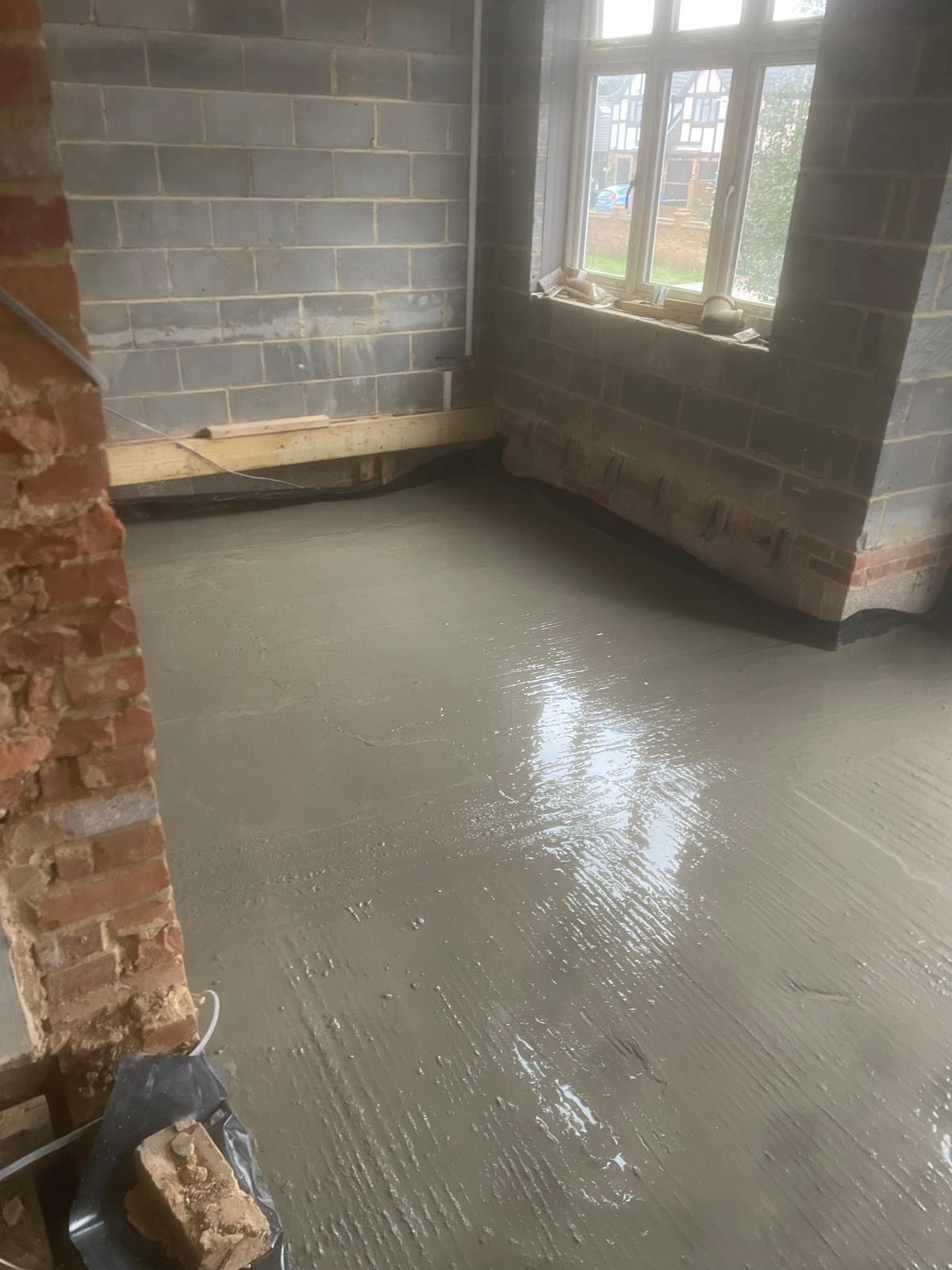
So, How to Improve Energy Efficiency During an Extension Project
Improving Energy Efficiency During an Extension project is one of the smartest long term investments homeowners can make. While many people focus mainly on layout and appearance, the build stage is actually the best opportunity to improve insulation, heating performance, ventilation, and overall running costs. From working with homeowners across Kent, we’ve found that projects planned with energy performance in mind from the beginning usually perform far better long term than extensions where efficiency is treated as an afterthought.
Why Energy Efficiency During an Extension Matters
An extension changes how the entire property performs, not just the new space itself. If the extension is poorly insulated or badly connected to the existing home, it can create cold spots, overheating, condensation, and higher energy bills.
In our experience, improving Energy Efficiency During an Extension works better than trying to retrofit improvements later because insulation, glazing, ventilation, and heating systems can all be integrated properly during construction rather than added afterwards at greater cost.
We’ve found that homeowners who prioritise energy performance during the build stage generally see:
- Lower heating costs
- More consistent room temperatures
- Better comfort year round
- Reduced maintenance issues
Start With the Fabric of the Building
The most important factor in Energy Efficiency During an Extension is the building fabric itself. This includes:
- Walls
- Roof structure
- Floors
- Insulation layers
- Airtightness
A common mistake is focusing heavily on visible finishes while underestimating insulation quality.
From working with clients, we’ve found that investing in higher quality insulation works better than spending heavily on decorative upgrades because homeowners benefit from the thermal improvements every single day.
Our construction team regularly upgrades insulation specifications beyond minimum requirements where practical because it often delivers better long term value.
Choosing the Right Windows and Doors
Glazing has a major impact on Energy Efficiency During an Extension. Large doors and roof lights remain popular, but they need to be balanced properly with thermal performance.
Important considerations include:
- Double or triple glazing
- Frame quality
- Solar gain control
- Draught reduction
In practice, oversized glazing without proper specification is one of the most common causes of overheating in modern extensions.
We’ve found that well positioned glazing works better than simply increasing glass size because orientation and thermal performance matter just as much as appearance.
Heating Systems and Energy Performance
An extension project is also the ideal time to review your heating system.
Older boilers or poorly balanced heating layouts often struggle once additional space is added. Energy Efficiency During an Extension improves significantly when heating is upgraded alongside the build.
This may include:
- Underfloor heating
- Zoned heating systems
- Improved radiators
- Smart controls
In our experience, underfloor heating often works better than traditional radiators in open plan extensions because it distributes heat more evenly and improves usable wall space.
Ventilation Is Often Overlooked
Good ventilation is a major part of Energy Efficiency During an Extension, yet it is frequently ignored by homeowners focused only on insulation.
A well insulated extension still needs controlled airflow to prevent:
- Condensation
- Damp issues
- Poor air quality
What actually tends to happen is that modern airtight builds trap moisture unless ventilation is designed properly from the start.
Our renovations service often upgrades ventilation systems during larger refurbishment and extension projects to improve overall property performance.
Roof Design and Thermal Performance
Roof construction has a significant effect on Energy Efficiency During an Extension.
Flat roof systems, vaulted ceilings, and roof lights all need careful thermal planning. Poorly insulated roof structures are one of the biggest causes of heat loss in extensions.
From working with clients across Kent, we’ve found that investing in better roof insulation early almost always delivers stronger long term performance than upgrading cosmetic features later.
Planning Regulations and Compliance
Building regulations already include minimum efficiency standards for extensions.
Depending on the scale of the project, you may also need:
- Planning permission
- Compliance under permitted development rights
Our planning service helps homeowners ensure projects meet both planning and energy compliance requirements before construction begins.
Upgrading the Existing Property at the Same Time
One of the best ways to improve Energy Efficiency During an Extension is by upgrading parts of the existing property alongside the new build.
This may include:
- Insulating older walls
- Replacing outdated windows
- Improving loft insulation
- Updating heating controls
In our experience, improving the old and new parts of the property together works better than treating the extension separately because temperature differences between spaces are reduced significantly.
Material Choices and Long Term Performance
Material selection also affects Energy Efficiency During an Extension.
This includes:
- Brick and block performance
- Timber systems
- Roofing materials
- Glazing specifications
We’ve completed more than 200 residential projects across Kent, and one thing we consistently see is that better quality materials generally reduce maintenance and energy loss long term.
Our extensions and conversions service focuses on balancing performance, practicality, and appearance.
Project Management and Build Quality
Even the best materials perform poorly if installation standards are low.
You can review independent feedback on Trust a Trader to see how contractors manage extension quality, communication, and project delivery.
You can also view completed extension projects from We R Builders to see examples of energy conscious extension work completed across Kent.
Aftercare and Long Term Results
Energy performance should continue long after construction is complete.
Our aftercare service supports homeowners after project completion, though we’ve found that projects with stronger upfront thermal planning generally require fewer post build adjustments.
Conclusion
Improving Energy Efficiency During an Extension is about more than simply meeting regulations. The best results come from combining good insulation, effective heating, quality glazing, and proper ventilation into one well planned project.
If you need help improving Energy Efficiency During an Extension in Kent, the team at We R Builders can provide practical advice based on real extension projects across the area. You can also contact us here if you need help with energy efficient house extensions in Kent and want clear, experience led guidance.