
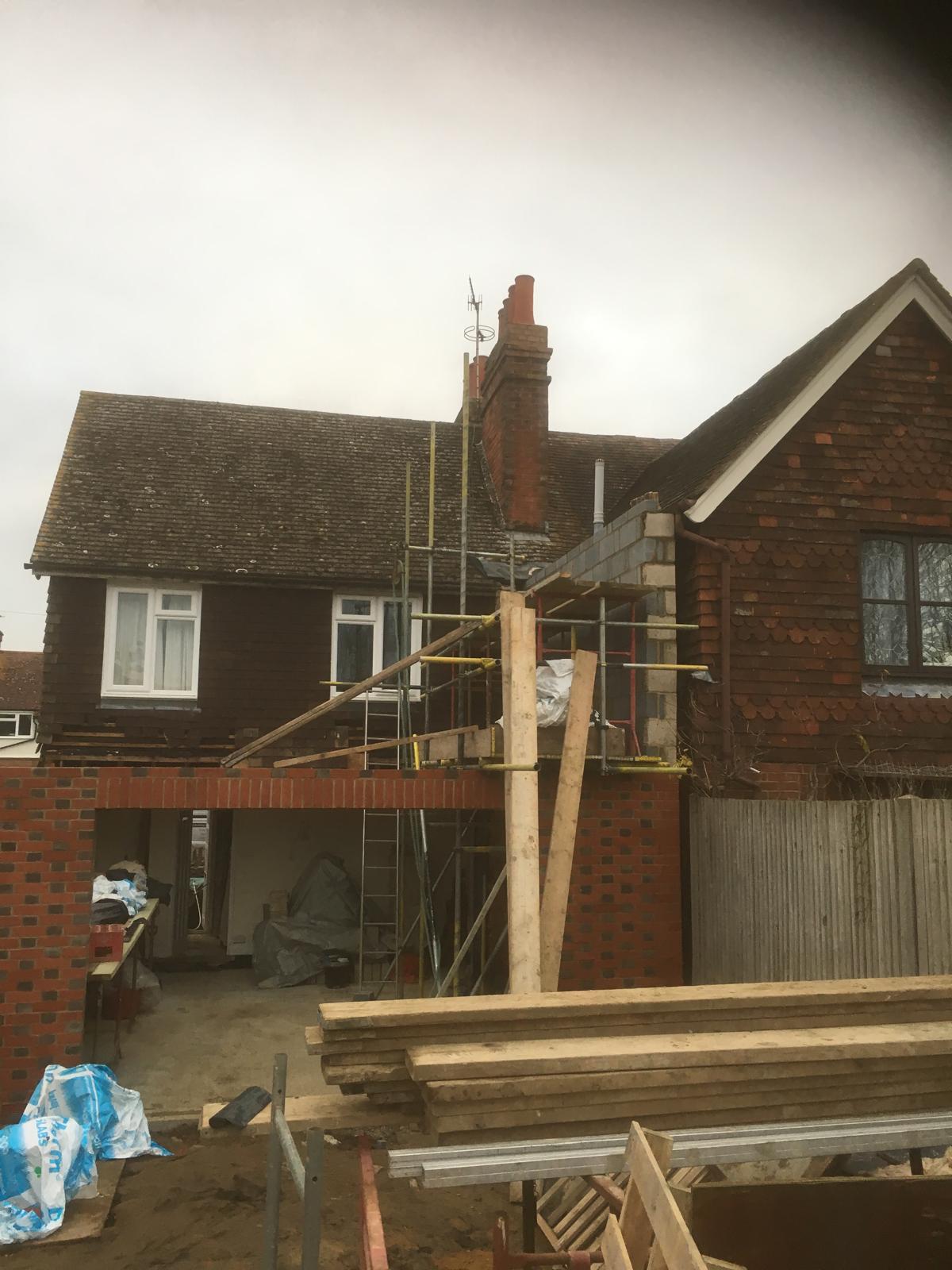
What You Need to Know When Planning a Double Storey House Extension
A Double Storey House Extension is one of the most effective ways to add significant space to a property without sacrificing garden area. Many homeowners choose a Double Storey House Extension to create larger living areas downstairs while adding bedrooms or bathrooms upstairs. Because this type of project affects the structure, layout, and appearance of the home, careful planning is essential. We explain how to plan a House Extension properly, what to consider at each stage, and how to avoid common problems.
Understanding Why a Double Storey House Extension Makes Sense
A Double Storey House Extension allows you to expand your home both vertically and horizontally, making it ideal for growing families or households needing long term space. Instead of moving, many people invest in a House Extension to improve layout, increase property value, and stay in a location they already like.
This type of extension often provides better value than building two separate single storey extensions, as foundations and roof work are shared. When planned well, a House Extension can transform how the entire home functions.
Checking Planning Rules and Permissions Early
One of the first steps in planning a House Extension is understanding what permissions are required. In most cases, double storey extensions need full planning permission due to their size and impact on neighbours. Height, depth, roof design, and proximity to boundaries all play a role in whether approval is granted.
Some elements may still fall under permitted development rights, but this is less common with double storey builds. Our planning service helps homeowners understand local rules, prepare drawings, and submit applications correctly. Addressing planning early reduces delays and avoids costly redesigns.
Assessing Your Property and Neighbour Impact
A Double Storey House Extension changes the external appearance of a property more than a single level build. It is important to assess how the extension will sit alongside neighbouring homes. Issues such as overlooking, loss of light, and overall scale are often considered by planning authorities.
Informing neighbours early and sharing plans can help reduce objections. Thoughtful design choices, such as setting the upper floor slightly back or adjusting window positions, can make approval more likely.
Choosing the Right Design and Layout
Design is a critical part of planning a Double Storey House Extension. The layout should improve how the home works on both floors. Downstairs, extensions often create larger kitchens, dining areas, or family rooms. Upstairs, they commonly add bedrooms, bathrooms, or home offices.
Good design ensures the new space connects naturally with the existing house. Our extensions and conversions service focuses on creating layouts that feel balanced and practical. Staircase positioning, room proportions, and access points all need careful thought.
Structural Planning and Construction Requirements
Structural planning is essential for any Double Storey House Extension. Foundations must be designed to support the additional load of a second floor. Existing walls may need reinforcing, and steel supports are often required.
Our construction team assesses these requirements early, ensuring the design meets building regulations and long term safety standards. Addressing structural details before work begins helps avoid delays and unexpected costs during construction.
Managing Services and Utilities
A Double Storey House Extension affects plumbing, electrics, heating, and drainage on multiple levels. Bathrooms added upstairs require careful routing of pipework, while heating systems may need upgrading to serve the additional space.
Electrical planning should consider lighting, power points, and future needs. Making these decisions early helps keep the build organised and prevents disruptive changes later.
Budgeting for a Double Storey Extension
Budgeting is a key part of planning a Double Storey House Extension. Costs include groundworks, structure, roofing, insulation, electrics, plumbing, windows, and internal finishes. While double storey extensions cost more than single storey builds, they often offer better value per square metre.
It is sensible to include a contingency fund, particularly for older properties where hidden issues may arise. Choosing a builder based on experience rather than price alone often leads to better results. Reading genuine reviews on Trust a Trader helps homeowners understand how contractors manage costs, quality, and communication.
Planning the Build Schedule
A clear build schedule keeps a Double Storey House Extension organised and reduces disruption. These projects often take several months due to their scale, so realistic timelines are important.
Looking at completed projects by We R Builders shows how structured planning and regular updates support smooth progress. Clear communication helps homeowners plan around key stages of the build.
Integrating the Extension with the Existing Home
A successful Double Storey House Extension should feel like part of the original home. Rooflines, materials, and window styles should complement the existing property. Internally, flooring levels, ceiling heights, and access points all affect how well the new space blends in.
Our renovations service is often combined with extension projects to improve flow throughout the home. Small layout changes elsewhere can greatly enhance the final result.
Managing the Project Effectively
Some homeowners consider managing a Double Storey House Extension themselves, but coordinating trades, inspections, and deliveries without experience can be challenging. Mistakes at this stage often increase costs and delays.
Working with a builder who manages the entire process reduces stress and improves efficiency. Our structured approach, also used in our new builds work, ensures projects stay organised from start to finish.
Considering Living Arrangements During the Build
A Double Storey House Extension can be disruptive, especially when structural work affects multiple rooms. Some homeowners choose to move out temporarily, while others remain in the property with work phased carefully.
Discussing living arrangements early helps set expectations and ensures safety during construction.
Aftercare Once the Extension Is Complete
Even after completion, small adjustments may be needed as the building settles. Reliable aftercare ensures these issues are handled quickly and professionally.
Our aftercare service provides reassurance that support is available once the extension is finished.
Bringing Everything Together
Planning a Double Storey House Extension requires careful thought, realistic budgeting, and professional guidance. From understanding planning rules and designing the layout to managing construction and aftercare, each stage plays a role in achieving a successful outcome. With the right approach, a House Extension can significantly improve space, comfort, and long term value.
If you are planning a House Extension and want clear advice from the start, you can contact us here to discuss your project with our team.