
So, What to Expect During a Full Home Renovation
A Full Home Renovation is a major project that changes how your property looks, feels, and functions. Many homeowners choose a Full Home Renovation to modernise an older house, improve layout, or upgrade services throughout the property. Because the work affects multiple areas at once, it is important to understand what happens at each stage and what to prepare for before work begins. I explain what to expect during a Full Home Renovation, how the process usually unfolds, and how to avoid common problems along the way.
The Early Planning Stage of a Full Home Renovation
Every Full Home Renovation starts with careful planning. This stage focuses on understanding what you want to achieve and what is possible within your property. Homeowners often begin by listing priorities, such as improving layout, increasing light, upgrading kitchens and bathrooms, or improving energy efficiency.
At this stage, it is also important to consider whether approvals are required. Some structural changes may need planning permission, while other work may fall under permitted development rights. Not checking this early is a common cause of delays. Our planning service helps homeowners understand requirements, prepare drawings, and avoid costly changes later.
Surveys and Property Assessments
Before work begins, surveys are often needed to assess the condition of the property. This is especially important in older homes, where hidden issues such as outdated wiring, damaged pipework, or structural movement may exist. Identifying these problems early helps keep the Full Home Renovation on track.
Structural assessments are particularly important if walls are being removed or layouts changed. Addressing these details before work starts reduces the risk of unexpected costs during the build.
Designing the Layout and Flow of the Home
Design plays a central role in any Full Home Renovation. This stage looks at how rooms connect, how light moves through the house, and how each space will be used. Many homeowners take this opportunity to open up layouts, improve storage, and create better connections between living areas.
Good design considers both current needs and future use. It is important to think about access, furniture placement, and how the home may adapt over time. Our renovations service focuses on creating layouts that feel practical and balanced across the entire property.
Setting a Realistic Budget and Timescale
Budgeting is a key part of preparing for a Full Home Renovation. Costs include labour, materials, structural work, electrics, plumbing, insulation, and finishes. Because multiple areas are affected, it is sensible to include a contingency fund for unexpected issues.
Timescales vary depending on the size and complexity of the project. A full renovation can take several months, especially if structural changes are involved. Clear communication and a realistic programme help manage expectations and reduce stress during the build.
Stripping Out and Preparation Work
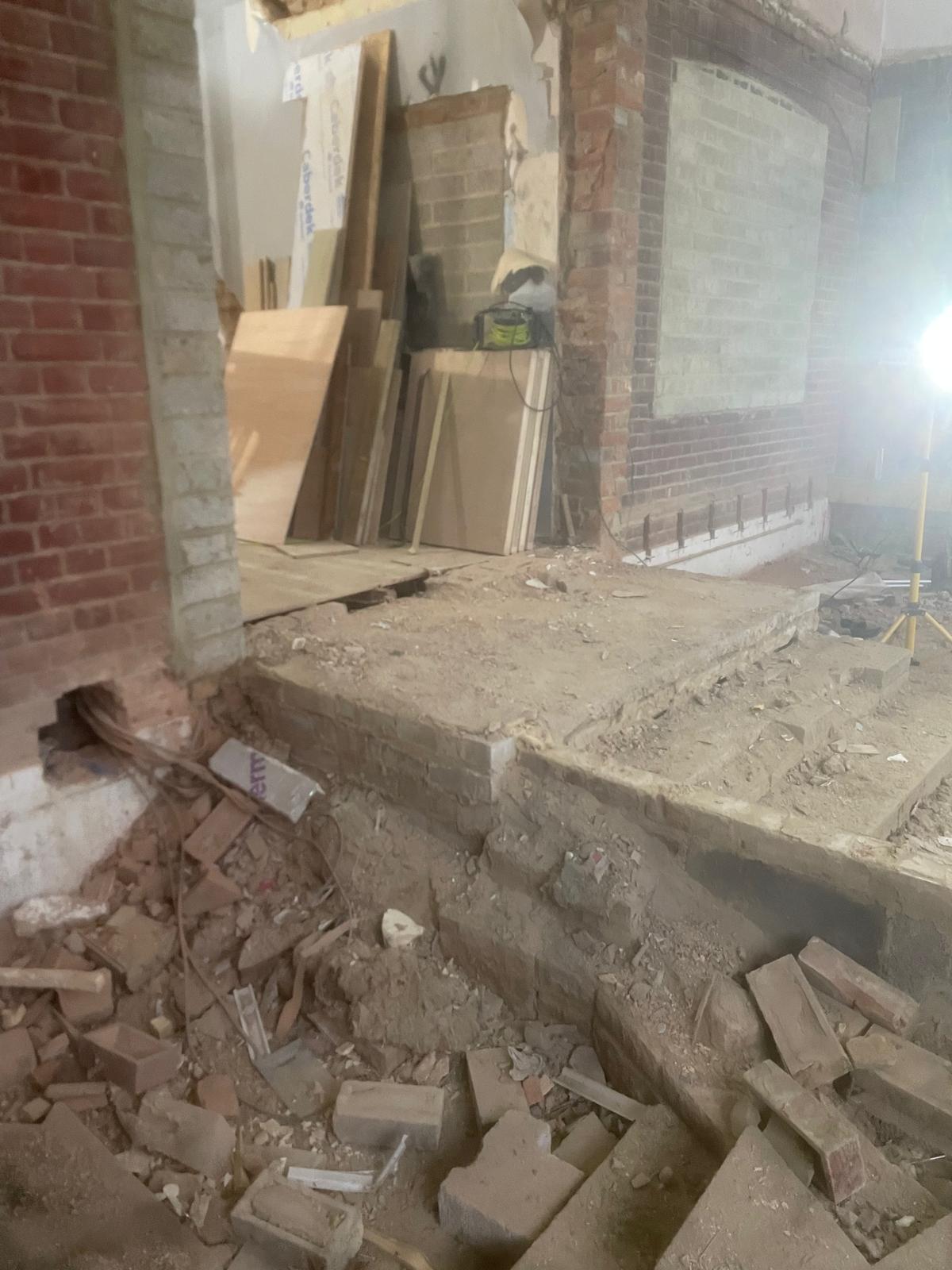
Once work begins, the first stage of a Full Home Renovation is often stripping out. This includes removing old fixtures, fittings, kitchens, bathrooms, and floor coverings. Walls may be opened to expose wiring and pipework.
Although this stage can be disruptive, it is necessary to prepare the property for the new layout and services. Careful preparation helps the following stages run more smoothly.
Structural Changes and Construction Work
Structural work is often the most significant part of a Full Home Renovation. This may involve removing load bearing walls, installing steel supports, reinforcing floors, or altering roof structures. These changes must be carried out safely and in line with building regulations.
Our construction service manages this stage carefully, ensuring structural integrity and long term safety. Addressing structural elements early allows the rest of the renovation to progress without interruption.
Electrical and Plumbing Installation
Once the structure is set, first fix electrics and plumbing take place. This involves installing new wiring, sockets, lighting positions, and pipework before walls and floors are finished. During a Full Home Renovation, many homeowners upgrade systems to meet modern standards and improve efficiency.
Decisions made at this stage affect how the home functions, so careful planning is important. Changes later can be costly and disruptive.
Insulation, Plastering, and Internal Finishes
Insulation is often improved during a Full Home Renovation, helping make the property warmer and more energy efficient. Walls, floors, and ceilings may all be upgraded depending on the scope of work.
Once insulation is complete, plastering follows. This stage transforms the space visually, creating smooth surfaces ready for decoration. After plastering, flooring, joinery, and other internal finishes can be installed.
Kitchens, Bathrooms, and Living Spaces
Kitchens and bathrooms are usually fitted after major building work is complete. These rooms involve multiple trades and careful coordination. During a Full Home Renovation, upgrading these spaces often delivers the biggest improvement in daily comfort.
Living areas and bedrooms are then finished with flooring, lighting, and decoration. Seeing the home come together at this stage is often the most rewarding part of the process.
Managing the Project and Staying Organised
Managing a Full Home Renovation requires coordination between different trades and suppliers. Without experience, this can become difficult and lead to delays or mistakes. Working with a builder who manages the project from start to finish reduces stress and improves efficiency.
You can view examples of projects completed by We R Builders to see how structured planning and communication support smooth renovations.
Choosing a contractor with proven experience also helps protect your budget. Reading genuine feedback on Trust a Trader gives insight into how builders manage quality, timelines, and communication during a Full Home Renovation.
Living Arrangements During the Renovation
Many homeowners choose to move out during a Full Home Renovation, especially when kitchens and bathrooms are affected. Others remain living in the property if work is phased carefully. This decision depends on the scale of the renovation and personal circumstances.
Clear communication about access, safety, and daily routines helps minimise disruption if you choose to stay in the home.
Completion, Inspections, and Final Checks
As the renovation nears completion, final inspections take place. These checks ensure work meets regulations and agreed standards. Any remaining snagging items are addressed before handover.
At this stage, it is important to walk through the property and confirm everything meets expectations. A thorough completion process ensures the Full Home Renovation delivers the intended result.
Aftercare and Ongoing Support
Even after completion, small adjustments may be needed as the property settles. Reliable aftercare provides reassurance and helps resolve minor issues quickly.
Our aftercare service supports homeowners once the renovation is complete, ensuring help is available if needed.
Bringing Everything Together
A Full Home Renovation is a detailed process that requires planning, patience, and professional support. Understanding each stage helps homeowners prepare for what lies ahead and make informed decisions throughout the project. From planning and design to construction and finishing, each step plays a role in achieving a successful outcome.
If you are considering a Full Home Renovation and want clear guidance from the start, you can contact us here to discuss your plans with our team. We are here to help you navigate the process and create a home that works better for you now and in the future.