
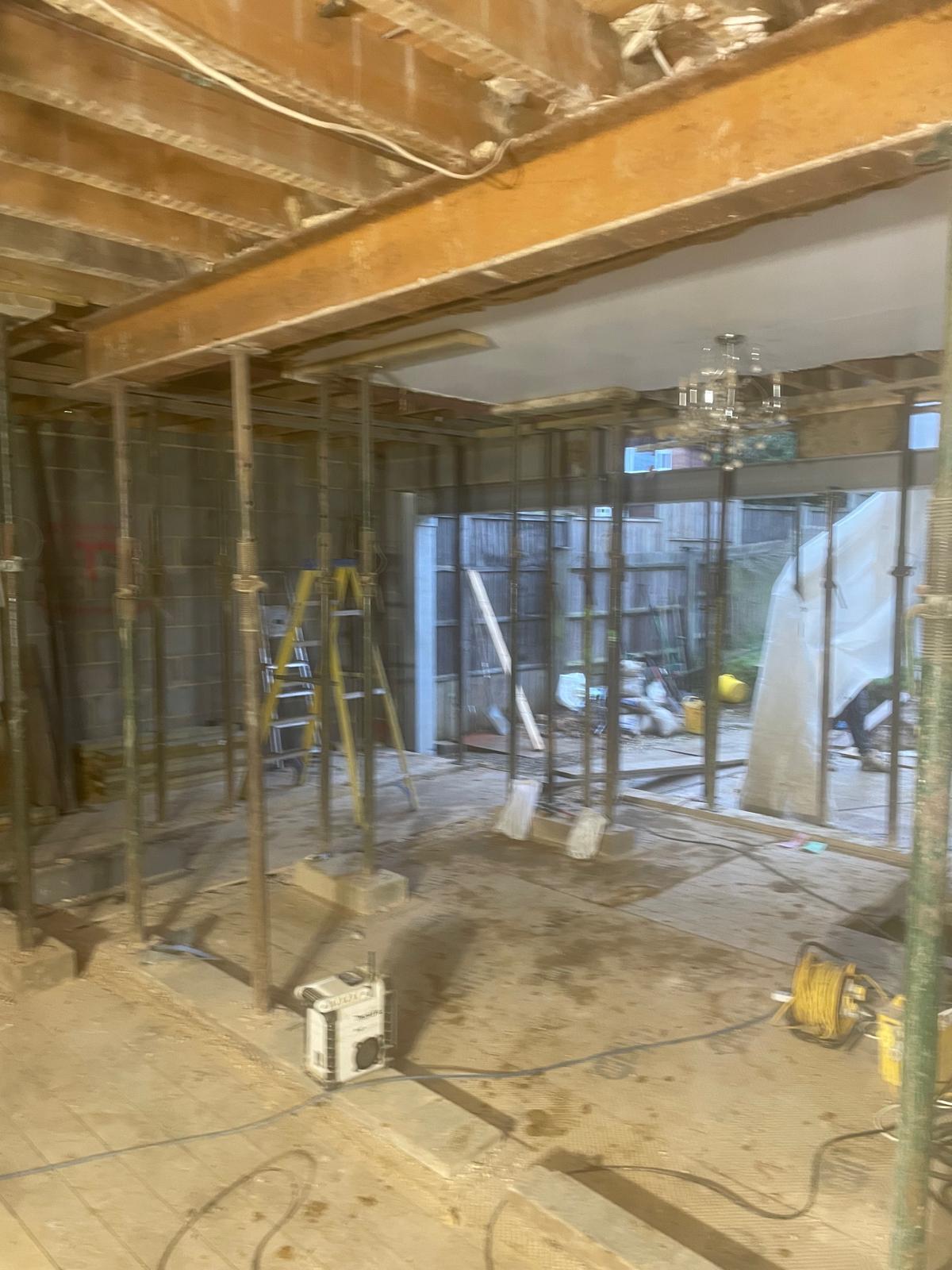
So, How to Plan a Home Extension on a Budget
Planning a Home Extension on a Budget is possible, but it requires realistic expectations, careful planning, and smart decisions from the start. One of the biggest mistakes homeowners make is focusing only on the build cost without considering design efficiency, structural complexity, and long term running costs. From working with clients across Kent, we’ve found that a well planned Home Extension on a Budget can still deliver excellent results if money is spent in the right areas and unnecessary costs are avoided early.
Start With a Clear Goal for the Extension
Before requesting quotes or drawing plans, it is important to define exactly what you want the extension to achieve. A Home Extension on a Budget works best when the design solves a specific problem rather than trying to include everything at once.
Common goals include:
- Creating a larger kitchen
- Adding dining space
- Improving family living areas
- Adding a utility room
- Creating an extra bedroom
In our experience, prioritising practical space works better than trying to maximise square footage because simpler layouts are usually cheaper to build and easier to integrate into the existing property.
Understand What Actually Increases Costs
Many homeowners underestimate where extension costs come from. It is not always the visible finishes that affect the budget most.
What we often see on site is that structural complexity adds more cost than homeowners expect. Things such as:
- Large steel supports
- Complicated roof structures
- Drainage diversions
- Poor ground conditions
- Extensive glazing
can quickly increase spending.
Our construction team regularly helps homeowners simplify designs without compromising functionality, which often reduces costs significantly.
Set a Realistic Budget Early
A successful Home Extension on a Budget starts with a realistic financial plan.
Your budget should include:
- Design fees
- Planning costs
- Structural calculations
- Labour
- Materials
- Electrics and plumbing
- Finishing work
- Contingency funds
From working with clients, we’ve found that projects with a 10–15% contingency generally stay on track more effectively because hidden issues are common once work begins.
Choose the Right Type of Extension
Some extension types are naturally more cost effective than others.
Single Storey Rear Extensions
These are often the most affordable option because they involve:
- Simpler structure
- Easier roof construction
- Less structural reinforcement
Double Storey Extensions
While more expensive overall, they often provide better value per square metre.
In our experience, a well designed rear extension works better than multiple smaller additions because it creates more usable living space while keeping construction simpler.
Our extensions and conversions service helps homeowners compare layouts based on both functionality and budget.
Keep the Design Simple
One of the easiest ways to achieve a Home Extension on a Budget is by simplifying the design.
Simple rectangular layouts usually cost less because they require:
- Fewer structural supports
- Simpler roofing
- Less labour time
- Easier drainage solutions
A common mistake is trying to include too many architectural features too early. In practice, clean and practical designs often outperform more complicated layouts both financially and functionally.
Understand Planning Requirements Before You Build
Unexpected planning issues can create major delays and redesign costs.
Some smaller projects may qualify under permitted development rights, while larger extensions may require full planning permission.
Our planning service helps homeowners identify these requirements early, reducing the risk of expensive changes later in the process.
Be Careful Where You Try to Save Money
Planning a Home Extension on a Budget does not mean cutting corners on critical elements.
We’ve found that investing properly in:
- Foundations
- Insulation
- Structural work
- Roofing systems
- Windows and doors
usually delivers better long term value than overspending on decorative finishes.
In our experience, better insulation works better than premium cosmetic upgrades because homeowners benefit from improved comfort and lower running costs every day.
Consider Phasing Certain Elements
Some homeowners reduce pressure on the budget by completing parts of the project in stages.
For example:
- Structural shell first
- Interior upgrades later
- Landscaping after completion
This approach can help spread costs without delaying the main build.
However, from working with clients, we’ve found that core structural and service work should always be completed fully during the main project to avoid additional labour costs later.
Renovation and Extension Combined
Many homeowners combine extension work with internal upgrades to improve the whole property.
Our renovations service often includes:
- Kitchen redesigns
- Flooring updates
- Structural openings
- Utility improvements
Combining these works can often be more cost effective than carrying them out separately over time.
Choosing the Right Builder Matters
A cheaper quote is not always the most cost effective option.
What actually tends to happen is that poorly managed projects create:
- Delays
- Material waste
- Extra labour
- Remedial work
You can review independent feedback on Trust a Trader to see how contractors manage communication, budgeting, and project quality.
You can also view completed extension projects by We R Builders to understand how realistic budget projects are delivered successfully across Kent.
Aftercare and Long Term Value
A properly planned Home Extension on a Budget should still perform well long term.
Our aftercare service provides continued support after completion, though we’ve found that projects with stronger planning and material selection generally require fewer adjustments later.
Conclusion
Planning a Home Extension on a Budget is about making smart decisions early rather than simply choosing the cheapest options. A practical design, realistic budget, and experienced project management can help you create valuable additional space without unnecessary overspending.
If you need help planning a Home Extension on a Budget in Kent, the team at We R Builders can provide practical advice based on real extension projects across the area. You can also contact us here if you need help with budget home extensions in Kent and want clear, experience led guidance.